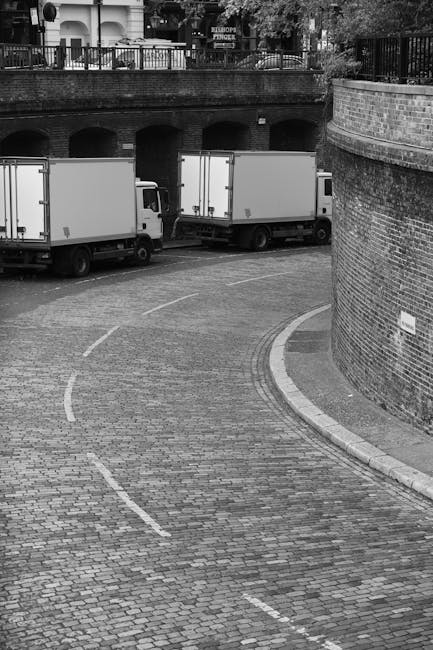
Tufnell Park Removals Fortess Road Narrow Street Access: A Practical Guide for Moving on Tight London Streets
Moving in Tufnell Park can feel straightforward until you meet the reality of Fortess Road and its awkward access points. Narrow street access changes everything: where the van can stop, how far the team has to carry boxes, whether larger vehicles can turn safely, and how much time the move will actually take. If you are planning Tufnell Park removals Fortess Road narrow street access, this guide walks you through the practical side of the move so you can avoid delays, stress, and those frustrating last-minute surprises.
In plain English, the challenge is usually not the house or flat itself. It is the street outside. Parked cars, limited turning space, busy traffic, tight kerb space, and a need to keep neighbours happy all shape the moving plan. The good news? With the right preparation, narrow access is manageable. Sometimes, it is even the reason a smaller, more flexible move works better than a bigger lorry. Let's face it, nobody wants a removal day that starts with a three-point turn and ends with a blocked road.
This article covers how the move works, what to expect, the common mistakes people make, and the best practical methods for handling Fortess Road access without drama. It also includes a checklist and a realistic example, because theory is useful, but moving day is where the details matter.
Why Tufnell Park removals Fortess Road narrow street access Matters
Fortess Road and the surrounding streets can create moving conditions that are very different from a wider suburban road. A removal team may have to work with limited loading space, traffic passing close by, and very little room to leave a van standing while items are carried out. That does not just affect speed. It affects safety, parking plans, how much lifting is needed, and the type of vehicle that makes sense.
When access is tight, a move needs more than muscle. It needs sequencing. For example, if the van cannot wait outside the property, the team may need to stage items in a safe spot, carry them in smaller runs, or use a vehicle that is easier to position. A move that seems small on paper can become a surprisingly technical job if the street is narrow and the building sits just off the road.
There is also the human side. Neighbours on a London street notice everything. A van blocking the road for too long, a scrape on a parked car, or cardboard left on the pavement can turn a sensible move into a tense one. Narrow access means better planning is not a luxury; it is the difference between a smooth day and a messy one.
Practical takeaway: in narrow-street removals, the street plan matters almost as much as the packing plan. If the access is right, everything else becomes easier.
How Tufnell Park removals Fortess Road narrow street access Works
The first thing a good removal plan does is assess the access. That usually means looking at the width of the street, where a van can legally stop, whether turning is possible in one movement, and how far the carry distance is from property door to vehicle. If there is a basement flat, top-floor walk-up, or shared entrance, the access picture becomes even more important.
In practice, a narrow-street move often uses a smaller vehicle or a more flexible loading approach. A man and van setup can be a smart fit when a full-size lorry would struggle to position safely. For larger domestic moves, the right answer may be a carefully planned house removals service, but one that is briefed properly on access before the day. The point is not to use the biggest vehicle available. The point is to use the one that can work efficiently without clogging up the street.
Timing matters too. Early starts can be useful where traffic is lighter and parking is a bit more manageable. Midday can be trickier. If residents are out, the street may already be crowded with parked cars; if delivery traffic is active, you may have less room to manoeuvre. Truth be told, the best moving slot is often the one that lets the team position the vehicle with the least friction.
Pre-move communication is a big part of the process. A brief walk-through, photographs of the frontage, and a note about stairs, front steps, railings, or shared hallways can help remove guesswork. Even simple details, such as whether a sofa needs to be angled tightly through a doorway, can change how the team plans the load order.
Key Benefits and Practical Advantages
When narrow access is handled well, the benefits are very real. The move feels calmer, items are handled more safely, and the day is less likely to overrun. You also get a better fit between the job and the vehicle, which matters more than most people think.
- Less risk of vehicle access problems because the moving plan is based on the street, not just the inventory.
- Cleaner loading flow when boxes and furniture are staged in the right order.
- Reduced carry stress by planning carry distance and doorway clearance in advance.
- Fewer delays if the team knows in advance where the vehicle can safely pause.
- Better protection for neighbours and parked vehicles because the team is not improvising on the day.
There is another advantage that gets overlooked: confidence. Once you know the access plan is realistic, you stop worrying about the van fitting, or whether the sofa will ever make it out the front door. That confidence matters. It keeps the move from feeling like a gamble.
If you are moving a flat in the area, it may also be worth looking at flat removals, especially where stairs, shared entrances, or limited kerb space are part of the picture. For mixed moves that involve furniture, it can be sensible to align the job with furniture removals rather than trying to treat every item as a simple box-and-load job.
Who This Is For and When It Makes Sense
This kind of moving plan is useful for anyone leaving or entering a property on or near Fortess Road where access is less than generous. That includes renters, homeowners, students, landlords arranging a turnaround, and small businesses shifting equipment or stock.
It makes particular sense if any of the following apply:
- You live on a street where parking is tight or constantly changing.
- Your property has stairs, a narrow hallway, or awkward front steps.
- You need a van that can stop quickly and load efficiently.
- You are moving bulky items such as wardrobes, sofas, desks, or a piano.
- You are doing a same-day or short-notice move and need a simpler setup.
Students often face the same issues, even with fewer belongings. One or two heavy items, a stack of boxes, and not much time can still be a headache if the street is busy. In those cases, student removals can be a practical option, especially when timing is tight and the move needs to stay efficient rather than elaborate.
Commercial customers are not exempt either. Small offices, studios, and local workspaces can run into the same access problems, only with monitors, filing, and equipment added to the mix. If that sounds familiar, it may be worth considering office removals or the more tailored commercial moves option, depending on what needs shifting.
Step-by-Step Guidance
Here is a sensible way to approach a Fortess Road move when the street is narrow and access is a key issue.
- Check the street conditions early. Look at where vehicles usually park, how close the property is to the road, and whether there is any turning space.
- Measure the difficult bits. Door width, staircase turns, lift size, and long internal corridors all matter. A few extra minutes with a tape measure can save a lot of grief later.
- List the awkward items first. Sofas, beds, wardrobes, washing machines, large desks, and fragile items should be flagged early.
- Choose the right service type. A smaller load might suit removal van transport, while larger, mixed, or multi-room moves may need broader removal services.
- Book around the access, not just the date. If the road is easier at a certain time of day, use that to your advantage.
- Pack for quick handling. Put essentials in clearly labelled boxes and keep heavier items manageable. Packing and boxes support a smoother load sequence, especially where carry times are longer.
- Prepare a loading point. If you can clear the hallway, the front step area, or the landing before the van arrives, you save time immediately.
- Confirm the plan on the morning of the move. A quick check about parking, access, and any last-minute changes is well worth it.
A lot of people skip the awkward-item step. Then moving day arrives, and someone is staring at a wardrobe that has no obvious route out. Not ideal. A little honesty in the planning phase goes a long way.
Expert Tips for Better Results
In our experience, the most successful narrow-street removals are rarely the flashiest ones. They are the ones where small details are handled properly.
Tip one: keep the load order practical. Put the items you need last inside the property nearest the exit first on the van. That sounds obvious, but it saves time and reduces backtracking.
Tip two: protect shared spaces before you start. Hallway corners, banisters, and door frames can take a surprising amount of accidental contact on a tight move. Blankets and careful lifting are simple but effective.
Tip three: if the move involves delicate furniture or awkward weight, do not guess. A piano, for example, is rarely something to treat casually. If that is part of the job, look at piano removals rather than hoping the usual approach will do the trick.
Tip four: consider temporary storage if dates do not line up. It is often easier to move out in one controlled step and move in later than to force everything into a bad window. The option of storage can take pressure off when keys, cleaning, or renovation work are still in motion.
Tip five: keep communication simple and specific. "The van can stop opposite the front door for only a few minutes" is better than "parking is tricky." Small detail, big difference.
And one more, slightly nerdy but true: if you know the route from the front door to the vehicle is awkward, rehearse it with one light item first. Better to discover a snag with a lamp shade than with a marble table. No one wants that story.
Common Mistakes to Avoid
The most common mistake is underestimating the access. People assume the removal team will simply arrive and deal with it. Sometimes they can. Sometimes they can, but only with more time and more effort than expected.
- Booking a vehicle that is too large for the road or loading space.
- Not mentioning stairs, steps, or narrow hallways during the quote stage.
- Leaving packing until the last minute, which slows everything down when the van is already waiting.
- Failing to protect walls and doors in a tight internal route.
- Assuming parking will be available without checking the likely conditions on the day.
- Mixing fragile and heavy items in a way that creates avoidable damage risk.
Another quiet mistake is not setting expectations with household members, tenants, or neighbours. On a narrow street, timing matters more than people think. If someone is planning to block the same section of road with a delivery van or builder's skip, your move can become awkward fast.
It sounds simple, but the best way to avoid problems is to treat access as a core part of the move, not a side note. That one shift in mindset usually makes the whole day easier.
Tools, Resources and Recommendations
You do not need a long list of specialist tools to handle a narrow-street move well. What you do need is the right basic kit and a clear plan.
- Measuring tape for doors, sofas, beds, and tight internal turns.
- Labels and marker pens to keep box handling fast and organised.
- Furniture blankets to help protect items and walls.
- Strong boxes and tape for a load that will be carried in shorter runs.
- Gloves and sturdy footwear for safer handling.
- Phone photos of access points so the moving team can see the situation in advance.
For a fuller packing setup, packing and unpacking services can be a sensible support option if you are short on time or want help getting the move organised from the start. For people who prefer to keep the job lean and practical, a man with van arrangement can be enough for smaller jobs, provided the access is properly understood.
For bigger moves, especially when the route is tight but the inventory is substantial, it may be more appropriate to look at moving truck capacity or a structured removals service. The trick is to match the vehicle and labour to the street, not the other way around.
Law, Compliance, Standards, or Best Practice
For most residential moves, the main compliance concerns are practical rather than complicated: parking sensibly, avoiding obstruction, handling goods safely, and keeping the move within agreed terms. In London, access and waiting arrangements can be especially sensitive, so it is wise to stay cautious rather than assume there will be room to improvise on the day.
Good practice also means choosing a provider that takes safety, liability, and handling seriously. If you are comparing providers, it is worth reviewing their insurance and safety approach and their health and safety policy. Those pages do not remove every risk, of course, but they do tell you whether safety is treated as an afterthought or a working habit.
From a customer perspective, it is also sensible to read the terms and conditions before the move and to check how payments, deposits, and cancellations are handled via payment and security. That is not being fussy. That is being sensible. A move is stressful enough without extra confusion over what was agreed.
For businesses, there may be additional internal requirements around access, data, equipment handling, or building rules. In those cases, a planned office relocation services approach can be more appropriate than a casual one-off vehicle booking.
Options, Methods, or Comparison Table
There is no single best method for every narrow-access move. The right choice depends on volume, furniture type, time pressure, and how awkward the street is on the day.
| Option | Best for | Strengths | Watch-outs |
|---|---|---|---|
| Man and van | Small to medium loads, short carry distances, flexible access | Agile on narrow streets, usually easier to position | May need multiple trips if the load is larger than expected |
| Removal van | Flats, partial loads, mixed boxes and furniture | Good balance of size and manoeuvrability | Still needs realistic parking and loading space |
| Full removals service | Households with bulky items or a fuller inventory | More structured handling and loading support | Vehicle access must be confirmed early |
| Storage first, move later | Staggered dates, refurbishment, key delays | Reduces timing pressure on moving day | Requires a second stage move-in plan |
For many Tufnell Park moves, the sweet spot is not the biggest service; it is the most adaptable one. A smaller, nimble setup can be far more effective than a large truck that struggles to fit the street properly. A bit unglamorous, perhaps, but very effective.
Case Study or Real-World Example
Here is a realistic example. A couple living in a second-floor flat near Fortess Road needed to move out on the same morning their new tenancy started. The street had parked cars on both sides, and the entrance sat close to a corner, which meant a long van would have been awkward to position.
Instead of forcing a larger vehicle into a tight spot, the move was planned around a smaller, faster-loading setup. Boxes were grouped by room the night before, the hallway was cleared, and the heaviest items were placed closest to the door. The team arrived early, kept the load sequence short, and worked in controlled runs rather than trying to carry everything at once.
The result was not dramatic, which is exactly why it worked. No blocked street for ages. No last-minute panic about whether the sofa would fit. Just a practical, slightly sweaty London move on a mild morning, done properly and without fuss.
That kind of outcome is typical when access is treated as the main planning issue. The move is not easier because the property is simple. It is easier because the plan matches the reality outside the front door.
Practical Checklist
Use this before moving day if you are dealing with narrow street access on or near Fortess Road.
- Confirm the exact moving date and time window.
- Check whether the vehicle can stop safely near the property.
- Measure doors, stairs, and any awkward furniture items.
- Tell the moving team about lifts, steps, and tight hallways.
- Pack boxes so they can be carried quickly and safely.
- Label fragile items clearly.
- Clear the hallway and entrance area before the van arrives.
- Protect walls, corners, and door frames where needed.
- Set aside essentials you will need immediately after arrival.
- Keep payment, terms, and contact details in one place.
Quick self-check: if the answer to "where exactly will the vehicle stop?" is still vague, you probably need one more planning conversation. Better now than on the kerb at 8 a.m.
Conclusion
Fortess Road access does not have to make your move complicated, but it does demand respect. Narrow streets reward good preparation, careful vehicle choice, and clear communication. If you plan the access properly, the rest of the move becomes much more manageable. If you ignore it, small problems tend to multiply, and nobody enjoys that.
Whether you are moving a flat, a family home, a student room, or a small business setup, the same idea applies: match the moving method to the street, not to wishful thinking. That is the real secret to smooth Tufnell Park removals Fortess Road narrow street access planning.
And honestly, once the last box is in and the street is quiet again, the whole thing feels a lot less daunting than it did the night before. Moving day can be messy, sure. But with the right setup, it is still just a day. A busy one, maybe. But just a day.
Get a free quote today and see how much you can save.
Frequently Asked Questions
Can a removal van fit on Fortess Road?
Sometimes yes, sometimes no, and it depends on the exact section of road, parked cars, and the available stopping space on the day. A smaller, more agile vehicle is often easier to use on narrow London streets.
What should I tell the removals team before moving day?
Tell them about stairs, narrow hallways, long carry distances, parking restrictions, heavy items, and anything awkward about the front entrance. A few honest details can make the move much smoother.
Is a man and van service better for narrow street access?
Often it is, especially for smaller loads or properties where a large lorry would struggle. A man and van setup can be a smart choice when flexibility matters more than capacity.
How do I prepare a flat move on a tight street?
Clear the hallway, label boxes, measure awkward furniture, and make sure the vehicle plan is realistic. If the property has stairs or shared access, it helps to plan the load order in advance.
What if the van cannot park right outside my property?
That is common in narrow street areas. The move can still work, but the carry distance may be longer, so the team needs to know in advance. It may also affect timing and the type of vehicle used.
Do I need storage if my move-in date is delayed?
If dates do not line up, storage can reduce pressure and help you move in two stages rather than forcing everything into one difficult day. It is especially useful during refurbishments or key delays.
How much packing should I finish before the movers arrive?
As much as possible. Boxes should be sealed, labelled, and ready to go. The more organised the packing, the easier it is to keep a narrow-access move efficient.
Are piano moves possible on narrow streets?
Yes, but they need careful planning and the right handling approach. A piano is not something to improvise with, especially where access is tight.
What is the biggest risk with narrow street removals?
The biggest risk is usually a mismatch between the vehicle and the street, followed closely by poor communication about access. Those two things cause most of the avoidable stress.
Is same-day moving possible in Tufnell Park?
It can be, depending on availability and the scale of the job. A same-day removals service is most realistic when the load is organised and the access is clearly explained.
Should I choose a full removals service or a smaller van?
It depends on the size of the move, the furniture involved, and how tight the access is. A smaller van can be ideal for limited space, but a fuller household move may still need a structured removals approach.
What documents or terms should I check before booking?
Check the provider's terms and conditions, pricing information, and how they handle insurance and security. It is a sensible habit and it avoids confusion later.